The animal welfare series
Example 3
New antibiotic that combats antibiotic resistance discovered.
Antimicrobial or antibiotic resistance is the term used to describe the immunity of bacteria to antibiotics – crucial medicines that treat infections either by killing off bacteria or inhibiting their growth. Now widespread, antibiotic resistance arose as a result of excessive use of antibiotics in humans, animals, and plants and has become a global public health issue. According to current WHO estimates, around 4.71 million deaths worldwide were associated with bacterial antimicrobial resistance as of 2021.
Hope from the USA: targeted action that spares the gut
A team of researchers from the University of Illinois (USA) has now discovered a new antibiotic called Lolamicin. Under an approach that minimises animal use, the promising new active substance was first successfully tested against multidrug-resistant bacteria in cell culture (in vitro) and only then in mice. What makes Lolamicin special is its ability to kill dangerous bacteria while sparing healthy gut microbes. This is an innovation compared with conventional antibiotics, which often attack not only harmful, but also beneficial bacteria in the gut. This can disrupt the body’s equilibrium and have long-term consequences for health.
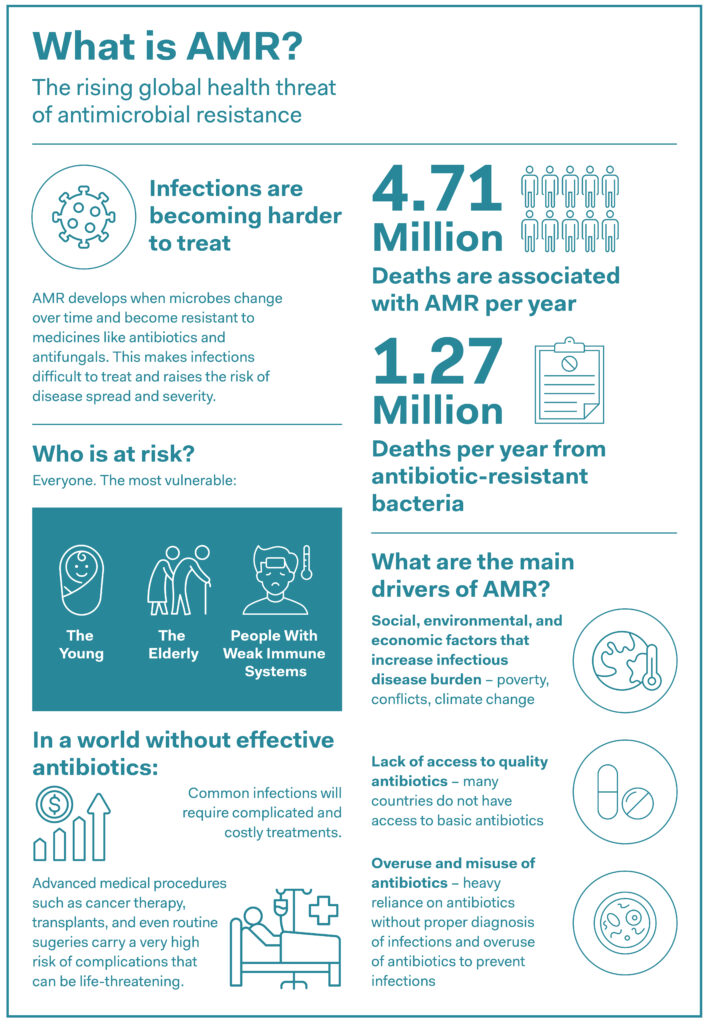
Source: WHO & OneHealthTrust
Proven high efficacy
Lolamicin inhibits a particular transport system in bacteria. This system is differently structured in harmful bacteria than in “good” gut bacteria. As a result, the medicine can specifically target and attack only the harmful bacteria. Lolamicin was given to mice during preclinical trials. The mice had either septicaemia or pneumonia caused by antibiotic-resistant bacteria. In an astonishing result, all the mice with septicaemia survived the trial, as did 70 percent of the mice with pneumonia. Not only that, treatment left the composition of the intestinal flora – the good bacteria in the digestive tract – virtually unchanged. Even 28 days after treatment, the animals were still completely in equilibrium.
Cell culture first, only then in mouse models
Lolamicin was not used in animal models until it had been tested on over 130 multidrug-resistant bacterial strains in cell culture. Cell culture is a step towards research without animal testing. Such in vitro models provide important information about the efficacy and toxicity of new active substances before they are tested in animal models. The tests with mice were a next important step because mice have a very similar microbiome (in other words, the community of bacteria in the gut) to humans. That means that findings from mouse studies can provide important pointers for subsequent trials in humans.
The discovery of Lolamicin could represent a genuine breakthrough in the fight against microbial resistance. It shows that it is possible to take specific action against dangerous bacteria without destroying the beneficial ones. However, the medicine has not yet been authorised for humans. Further studies of its safety and efficacy as well as the likelihood of it inducing resistance have still to be conducted. Nevertheless, the results give cause for hope. Perhaps there will soon be new antibiotics that we tolerate better, and which protect our health effectively despite the ongoing spread of resistance.
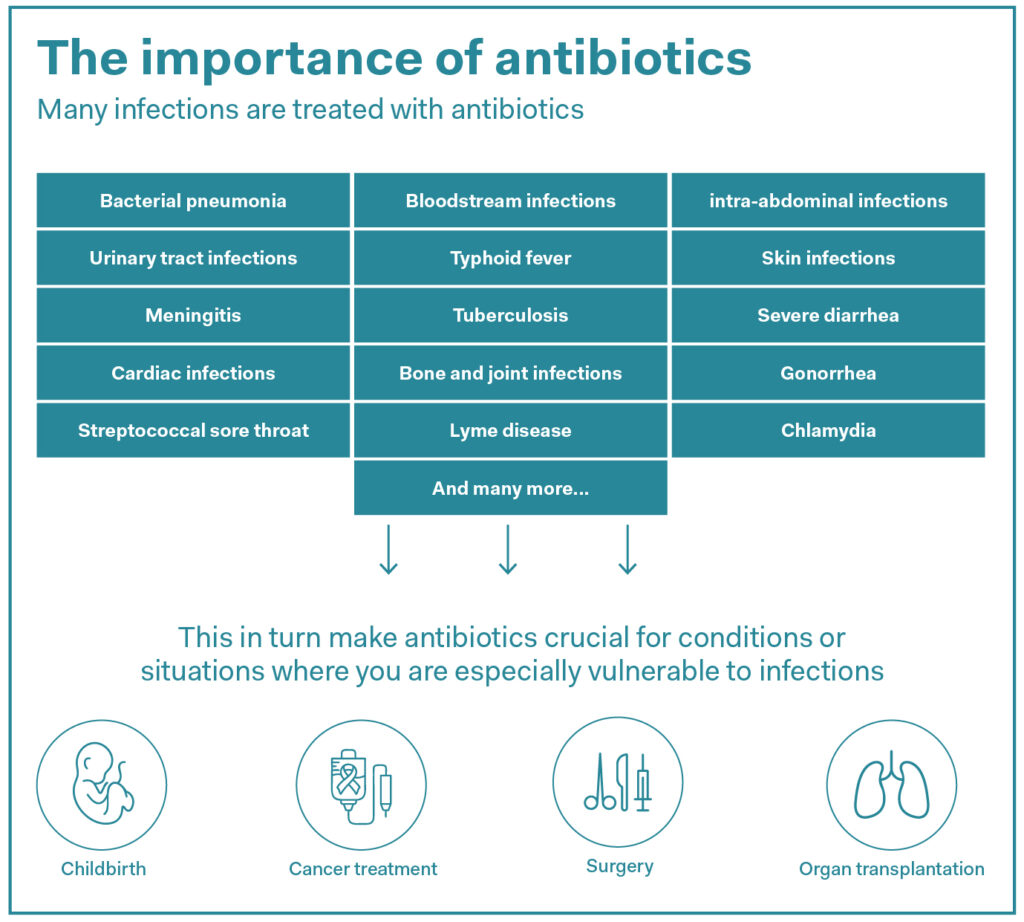
Further information:
- New antibiotic kills pathogenic bacteria, spares healthy gut microbes. By Diana Yates. University of Illinois Urbana-Champaign. May 29, 2024
- Game-Changing Antibiotic Discovered That Spares ‘Good’ Bacteria. By Carly Cassella Health, 09 June 2024.
Animal testing is often indispensable in biomedical research as a way of assessing the safety and efficacy of new treatments. It provides insights into the complex interactions that take place inside a living organism in a way that is not possible using alternative methods alone. Researchers are increasingly developing alternative methods such as organoids to further reduce the use of animals.